
Column: Some pet owners wonder, worry about vaccines for their pets
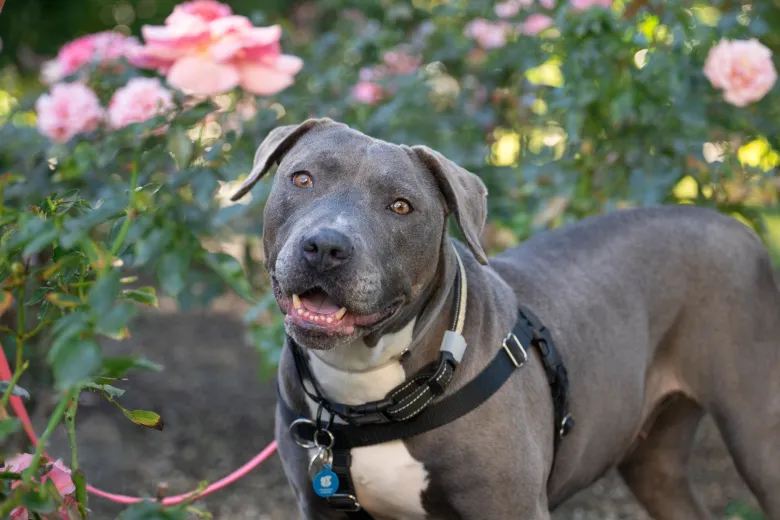
Meet Roo (A522144) a sweet and sensitive soul looking for a calm and patient home to call her own. Though initially shy and cautious, 5-year-old Roo warms up beautifully with time and becomes incredibly affectionate — resting her head in your lap, leaning in for pets, and gently nudging your hand for more. She walks well on leash, enjoys exploring outside, and takes treats gently. She’s ready to find a forever home where she can relax and be herself. Learn more at pasadenahumane.org.
In late October, a 10-month-old German shepherd mix arrived at Pasadena Humane as a stray. A Good Samaritan had found her wandering the streets of Pasadena with no owner in sight.
Our veterinary health team quickly noticed that something was not right. The young dog, who we named Doja, appeared lethargic and was experiencing the tell-tale signs of parvovirus — bloody diarrhea, vomiting and a lack of appetite.
A test quickly confirmed our suspicions, and Doja was immediately placed in our isolation area. She was given a dose of the groundbreaking new monoclonal antibody treatment for parvo and started on a full regimen of supportive care to help her body fight off the deadly virus.
After a rough few days, Doja began to feel better. She went from completely shut down to wagging her tail and barking for attention. Her appetite returned and with it all the energy you’d expect from an adolescent dog.
With those touch-and-go days behind her, Doja soon found a wonderful new home.
Sadly, stories like these are not out of the ordinary in our Animal Resource Center. So far in 2025, we’ve treated nearly 100 cases of parvo in dogs and panleukopenia in cats alone.